

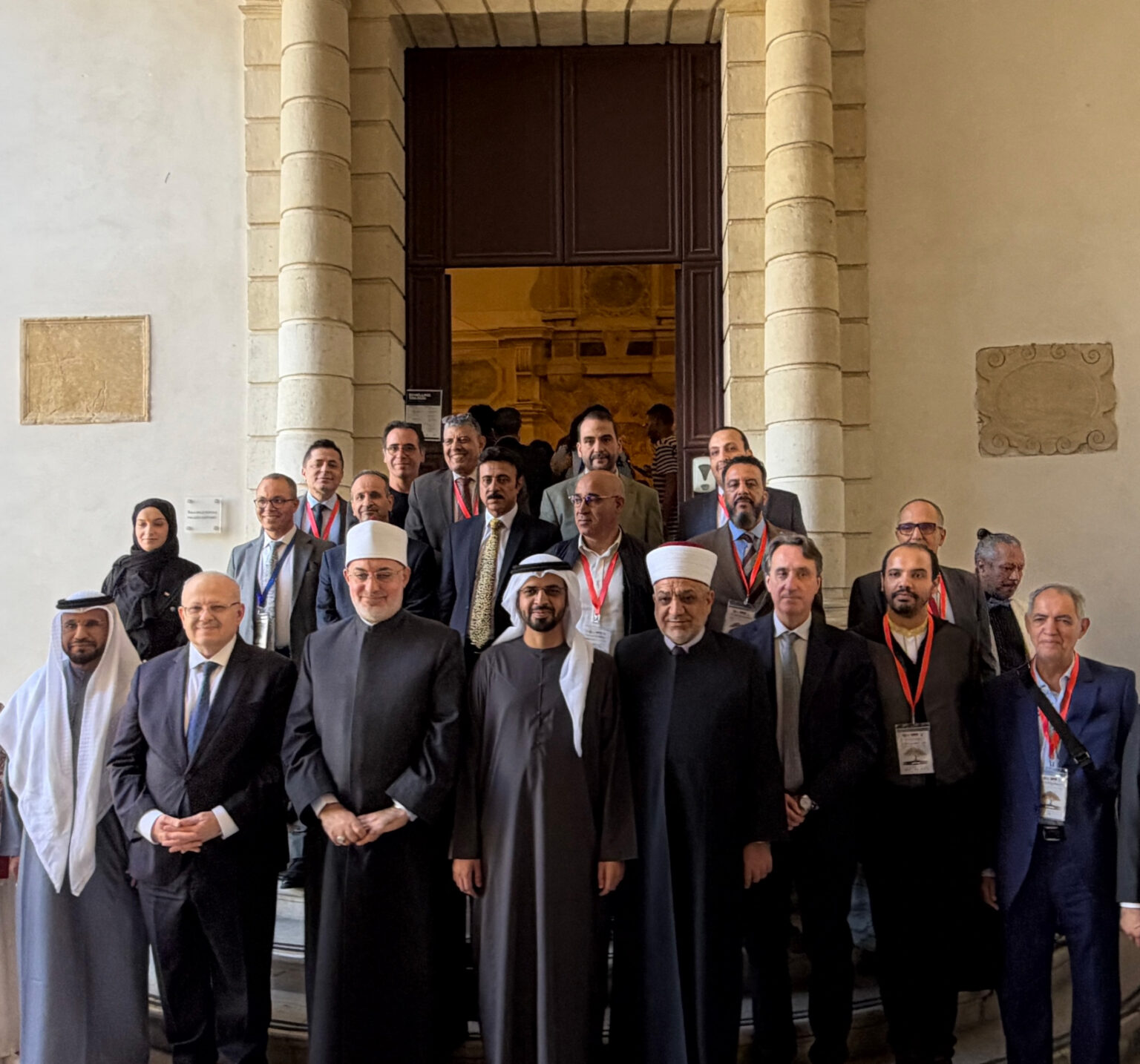
PADUA, Italy, 4th October, 2026 (WAM) — The First International Conference on Religious Studies, organised by Mohamed bin Zayed University for Humanities (MBZUH) in the Italian city of Padua, concluded with seven principal recommendations in its final statement, including launching a religious common ground project, expanding academic exchange and joint scholarly publication, and developing pathways for translating specialised research.
The recommendations also called for establishing a fixed, recurring date for the conference, with a new academic theme for each edition; developing ethical frameworks for artificial intelligence grounded in shared human values; strengthening the role of universities in serving society and connecting research to its challenges; and publishing outstanding conference papers in an international peer-reviewed journal indexed in Scopus, subject to the journal’s review process.
The recommendations came at the conclusion of the conference, held on 2nd and 3rd October, under the theme “Religion and Shared Humanity: Contemporary Approaches in Theology and Religious Studies”, in collaboration with the University of Padua and the University of Eastern Piedmont. The conference affirmed that the values religions hold in common help preserve the humanity of difference and place the human person at the centre of dialogue, while peace draws its strength from recognising the dignity of others as a shared responsibility, regardless of differences in belief.
The opening session featured addresses by Dr. Omar Habtour Al Darei, Chairman of the General Authority of Islamic Affairs, Endowments and Zakat and Chairman of the MBZUH Board of Trustees; Professor Menico Rizzi, Rector of the University of Eastern Piedmont; and Professor Marco Ferrante, Vice Rector of the University of Padua.
Participants also included Professor Mohammad Ahmad Musallam Al Khalaileh, Minister of Awqaf, Islamic Affairs and Holy Places of Jordan; Professor Nazir Ayyad, Grand Mufti of Egypt; and a group of thinkers, academics and specialists from Arab and international academic institutions.
The conference featured 34 research papers presented by scholars of 15 nationalities, selected following a rigorous academic review of more than 700 research proposals.
In his opening address, Dr. Al Darei highlighted the central role of universities in building cultural and humanitarian awareness and deepening dialogue between religions and cultures, describing them as spaces for reflection, debate and the production of knowledge. He also commended cooperation with the Italian universities.
He said the study of religions is a scholarly responsibility with a tangible human impact, helping to correct stereotypes and build trust. He noted that this responsibility is growing as change accelerates, information multiplies and artificial intelligence advances, and called for carrying the impact of knowledge from universities into society so that respect for difference becomes an established culture.
Professor Rizzi said that the unity of humanity gives dialogue its meaning and academic cooperation its purpose, stressing that differences in culture do not diminish humanity’s shared identity.
Professor Ferrante highlighted the responsibility of universities to produce knowledge, build the capacity to understand others and turn difference into a source of cooperation.
Before the academic sessions began, a keynote session brought together Professor Al Khalaileh, Professor Ayyad and Professor Stefano Allievi of the University of Padua to discuss shared humanity from religious and civilisational perspectives and its role in building peace and protecting human dignity.
The seven academic sessions offered in-depth discussions across religious, philosophical and social studies. The first session, “Philosophy and Epistemology in the Study of Religions”, examined ways to build a deeper understanding of religious phenomena and shared humanity. The second, “Theology, Kalam and Doctrinal Traditions”, explored the interaction between religious and philosophical thought and the epistemological and ethical questions it raises. The third, “Anthropology, Social Sciences, History and Cultural Practices”, examined the place of religion in shaping societies and their relationships.
The fourth session, “Religion, Science and Contemporary Knowledge”, addressed existential and ethical questions raised by artificial intelligence and other contemporary developments. The fifth, “Interdisciplinary Approaches in Religious Studies”, focused on epistemic humility in religious dialogue and the construction of shared humanity in contemporary religious studies.
The sixth session, “Religious Diversity, Dialogue and Common Ground”, explored the relationship between interreligious and intrareligious dialogue and the nature of epistemological diversity. The seventh and final session, “Textual, Hermeneutic and Exegetical Studies”, examined the relationship between shared humanity and religious heritage and how shared values can move from principles in religious texts to responsibilities in daily life.
Source: Emirates News Agency
