

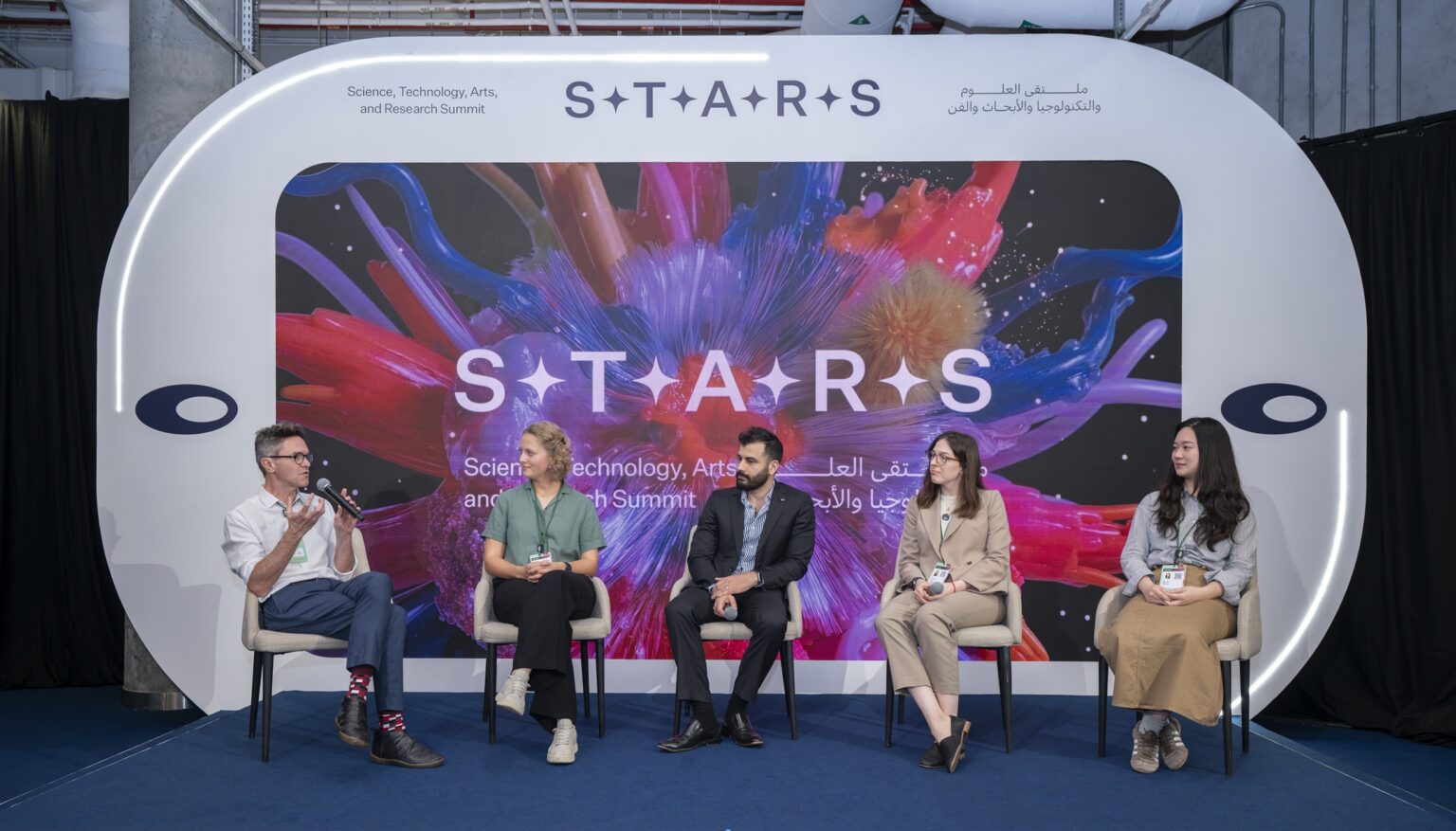
DUBAI, 21st November, 2026 (WAM) — Sessions at the Science, Technology, Arts and Research (STARS) Summit, organised as part of Dubai Future Week 2026 held at Emirates Towers and the Museum of the Future, explored how artificial intelligence (AI) and data analytics are reshaping urban planning, helping cities become safer, more sustainable and better places to live.
Researchers from the Massachusetts Institute of Technology (MIT) highlighted the importance of placing people at the heart of urban planning, with a focus on improving quality of life, strengthening climate resilience, enhancing biodiversity and fostering human connections.
Discussions emphasised the need to approach cities as dynamic, living environments that continuously evolve to meet the changing needs of their communities.
The sessions explored how big data, connected-vehicle telemetry, AI and Google mobility datasets are enabling cities to assess road safety with greater precision.
By analysing mobility patterns and identifying potential risks, urban planners can make more informed decisions about street design, pedestrian infrastructure and accessibility, helping create safer and more inclusive urban environments.
Presentations highlighted how Dubai and Abu Dhabi are using data, ongoing research and community insights to support the development of more pedestrian-friendly cities.
Mohamed Al Mufti, Acting Director of Business Intelligence and Strategic Foresight at the Department of Municipalities and Transport (DMT) – Abu Dhabi, shared insights from Abu Dhabi’s experience of using AI, mobility data and temperature monitoring to inform climate-responsive urban planning, improve road safety and enhance quality of life.
The final session of the day examined how urban environments can foster stronger human connections across generations, demographics and genders.
A case study from Seoul demonstrated how century-old photographic archives, visual AI and mobile mobility data can be combined to understand how people interact with public spaces and how those interactions evolve as cities change.
Discussions also explored the growing role of AI in monitoring and protecting urban biodiversity, highlighting the importance of integrating nature into city planning rather than treating it as an afterthought.
By using AI to track wildlife patterns and map ecological corridors, urban planners can better understand the relationship between built environments and natural ecosystems, helping create spaces where people and nature can thrive together.
The session underscored the importance of protecting pollinators, insects and native flora as part of efforts to build more sustainable, climate-resilient cities.
Source: Emirates News Agency
